Olive Pollen Allergy
Olive pollen comes from olive trees (Olea europaea), which are known for producing small, yellow-green flowers. Olive trees release pollen into the air during their pollination season.
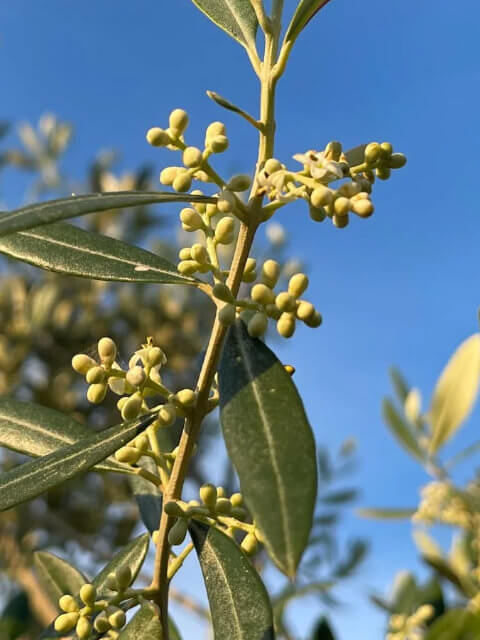
This pollen can cause allergic reactions in some people. Olive pollen allergies can be quite bothersome, especially in areas where olive trees grow in large numbers.
Like alder pollen and birch trees, olive trees release pollen that can trigger seasonal allergies.
Many people who are allergic to pollen from these trees experience similar symptoms during allergy season.
Symptoms of an Olive Allergy
If you are allergic to olive pollen, you might notice symptoms like:
- Sneezing
- Runny or stuffy nose
- Itchy or watery eyes
- Itchy throat
- Wheezing or trouble breathing in more severe cases
- Fatigue or feeling tired from allergy symptoms
According to Thermo Fisher Scientific, exposure to olive pollen can trigger conjunctival and nasal symptoms in sensitized individuals. It may also exacerbate asthma in these patients, particularly when olive pollen counts are high.
Where is Olive Pollen Found?
Olive trees are commonly found in warm, Mediterranean climates. They grow in countries like Spain, Italy, Greece, Turkey, Tunisia, Morocco, and Portugal. Originally cultivated throughout the Mediterranean, olive trees are now spread over most subtropical regions of the world.
Olive pollen can be a major problem in cities like Madrid, Rome, Athens, and Seville, where olive trees are everywhere.
Even though olive trees are mostly found in these warm areas, people in other parts of Europe might also be exposed to olive pollen if the trees are grown there.
When is Olive Pollen Season?
Olive pollen season usually starts in the spring and can last through the summer. In the Mediterranean, olive pollen is most common from mid-April to June. The pollination season for olive ranges from mid-April to the end of June.
However, the exact timing may depend on the weather and location. The pollen count tends to be highest during warm, dry, and windy days when the pollen is easily spread through the air.
Treating an Olive Pollen Allergy
There are several ways to manage an olive pollen allergy:
- Avoiding Pollen: Try to stay indoors on days with high pollen counts, especially during windy weather or in the morning when pollen release is at its peak. Keep windows and doors closed during the olive pollen season to minimize indoor pollen exposure. Use air purifiers with HEPA filters in your home. Shower and change clothing after outdoor activities during the pollen season.
- Medication: Over-the-counter antihistamines can help reduce sneezing, runny nose, and itchy eyes. Steroid nasal sprays can help with congestion and inflammation in the nose. Eye drops can also soothe itchy, watery eyes.
- Nasal Rinses: Rinsing your nose with saline solution can help clear out pollen and soothe nasal passages.
- Allergy Immunotherapy: For severe allergies, a doctor may recommend specific immunotherapy. Allergen-specific immunotherapy (AIT) has been proved to be the only treatment that can effectively alter the disease course in pollen allergic patients. This treatment can build up a tolerance to olive pollen over time.
Understanding olive pollen and how it affects you can make dealing with allergies easier. Keeping track of pollen counts and using the right treatments can help you feel better during allergy season.
Cross-Reactivity and Oral Allergy Syndrome (OAS)
If you are allergic to olive pollen, you may also experience itching, tingling, or mild swelling in your mouth, lips, or throat after eating certain fresh fruits, vegetables, or nuts. This is known as Oral Allergy Syndrome (OAS) or Pollen Food Allergy Syndrome (PFAS).
It happens because your immune system mistakes proteins in some foods for olive pollen proteins. The New Zealand Allergy Society notes that other pollen allergies associated with OAS include grass and olive trees.
Common trigger foods for people with olive pollen allergy include:
- Fruits: Pear, peach, kiwi, melon, banana, and pineapple
- Nuts: Almonds and other nuts
- Vegetables: Tomato and potato
According to Fisher Clinical Services, it is quite common, with up to 25 percent of children with allergic rhinitis also suffering from OAS. Common plant foods and materials involved in OAS for olive tree include latex and fruits such as peach, pear, melon, kiwi, banana, and pineapple.
Cooking or peeling these foods can often reduce or prevent the reaction. However, if you experience symptoms with nuts, it is best to consult an allergist.
Check Pollen Levels for Olive Pollen
See the current olive pollen levels across Europe on our Pollen Map (select "olive" on the map options).
You can also sign up for pollen alerts to be notified of high olive pollen days in your city.