Ragweed Pollen Allergy
Ragweed pollen comes from the ragweed plant (Ambrosia artemisiifolia), a common weed that originally came from North America. Over the past century, it has spread to many parts of the world, including Europe and Asia. Research shows that ragweed is one of the most important allergenic weeds in Europe.
Ragweed plants produce a large amount of pollen, which can travel far on the wind. The pollen is highly allergenic, meaning it can cause allergic reactions even at low concentrations. According to MedUni Vienna, ragweed is the second most common allergen in Vienna during late summer and autumn.
Ragweed allergies are similar to birch pollen and grass pollen allergies, but ragweed pollen is especially potent.
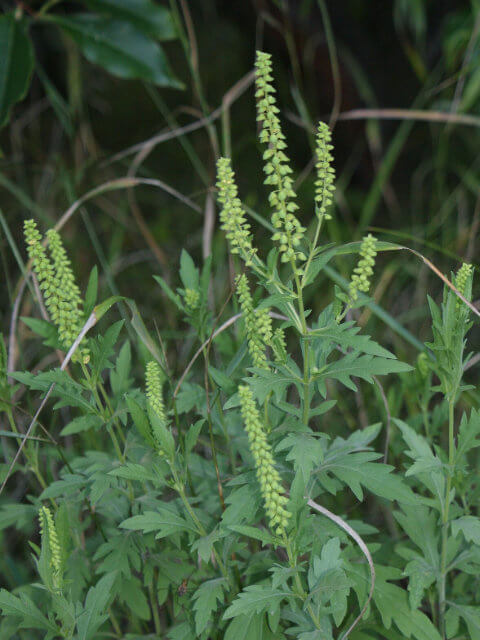
Symptoms of a Ragweed Pollen Allergy
If you have a ragweed pollen allergy, you might experience:
- Sneezing
- Runny or stuffy nose
- Itchy or watery eyes
- Itchy throat or ears
- Coughing
These symptoms usually start in late summer and can last into the fall. Ragweed can also cause or worsen asthma symptoms, including wheezing and difficulty breathing. Studies show that ragweed pollen is a major trigger for allergic rhinitis and asthma in sensitized individuals.
Where is Ragweed Pollen Found?
Ragweed pollen is found in areas where ragweed plants grow. These plants are common in North America and many parts of Europe. They can be found in fields, along roadsides, on construction sites, and even in some gardens.
In Europe, ragweed is especially widespread in Hungary, Serbia, and parts of Austria. Cities like Budapest, Vienna, Milan, and Belgrade often have high ragweed pollen levels during the season. People in these cities may notice stronger symptoms due to the higher concentration of pollen.
The pollen can travel long distances on the wind. In Austria, for example, ragweed pollen is often carried from Hungary and Serbia by south-easterly winds. MedUni Vienna notes that pollen can be transported over 200 kilometers, meaning even areas without ragweed plants can experience high pollen counts.
When Is Ragweed Pollen Season?
Ragweed pollen season usually starts in late summer and can continue through the fall. Depending on weather conditions, the season lasts from August to October. The main flowering period, when pollen counts are highest, is usually in late August. According to experts, ragweed blooms from July to October, with its main flowering in late August.
Pollen counts are typically higher on warm, dry, and windy days. Ragweed pollen levels are often highest in the afternoon and evening. Research shows that pollen concentrations are especially high in the afternoon and evening, and it is recommended to close windows at night because pollen is more likely to settle on surfaces at that time.
Treating a Ragweed Pollen Allergy
There are several ways to manage a ragweed pollen allergy:
- Avoiding Pollen: Try to stay indoors on days with high pollen counts, especially in the afternoon and evening when ragweed pollen levels peak. Keep windows closed to prevent pollen from entering your home. Remember to close windows before going to bed, as ragweed pollen is more likely to settle on surfaces at night.
- Medication: Over-the-counter antihistamines and corticosteroid nasal sprays can help with symptoms. Eye drops can also reduce itchiness and redness.
- Nasal Rinses: Rinsing your nose with saline solution can help clear out pollen and soothe nasal passages.
- Allergy Immunotherapy: If symptoms are severe, a doctor may recommend specific immunotherapy. This can be given as allergy shots or as a daily tablet that dissolves under the tongue. MedUni Vienna recommends starting the therapy at least 12 weeks before the ragweed season begins and taking it throughout the season. These treatments can reduce your sensitivity over time.
Understanding ragweed pollen and how it affects you can make dealing with allergies easier. Keeping track of pollen counts and using the right treatments can help you feel better during allergy season.
Cross-Reactivity and Oral Allergy Syndrome (OAS)
If you are allergic to ragweed pollen, you may also experience itching or tingling in your mouth, lips, or throat after eating certain fresh fruits and vegetables. This is known as Oral Allergy Syndrome (OAS) or Pollen Food Allergy Syndrome (PFAS).
It happens because your immune system mistakes proteins in some foods for ragweed pollen proteins.
Common trigger foods for people with ragweed pollen allergy include:
- Melons (watermelon, cantaloupe, honeydew)
- Banana
- Zucchini and cucumber
- Squash
- Sunflower seeds
Other foods that may cause reactions include dandelions and chamomile tea. UW Health notes that these foods contain proteins similar to those in ragweed pollen.
Cooking or peeling these foods can often reduce or prevent the reaction. However, if you experience symptoms with sunflower seeds or other seeds, it is best to consult an allergist. KidsHealth provides useful information about managing OAS.
Check Pollen Levels for Ragweed Pollen
See the current ragweed pollen levels across Europe on our Pollen Map (select "ragweed" on the map options).
You can also sign up for pollen alerts to be notified of high ragweed pollen days in your city.